BrainAlign / Coach EducationObserve. Understand. Apply.
The art of seeing.
An eye for the player. A deeper reading of movement.
We can see the same swing and notice different things. Understand structure, sensation and movement control, then connect them to coaching.
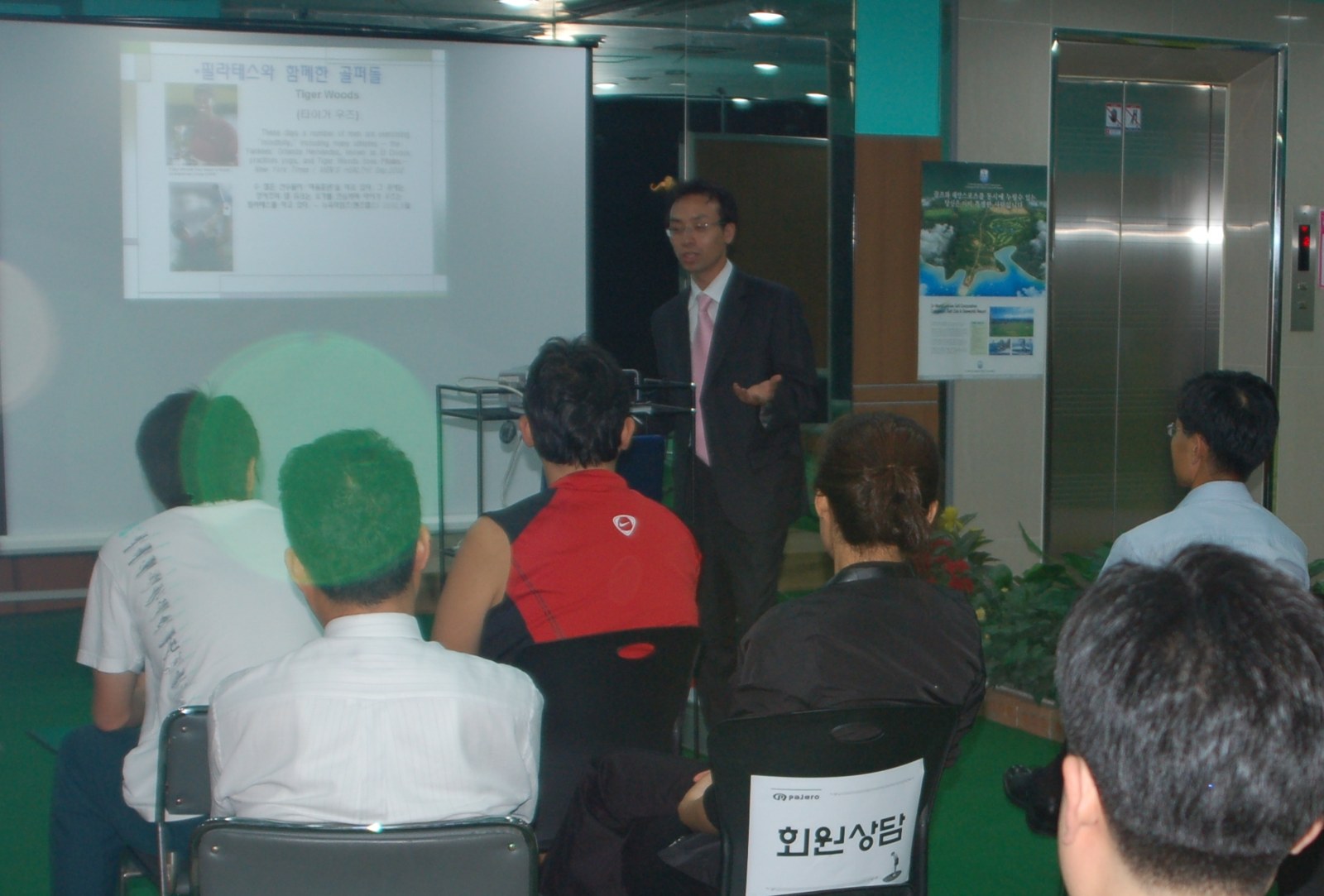
For golf coaches and movement professionals
Structure, sensation, observation and case application
Lecture and practical formats discussed on enquiry
From knowledge to practice.
Observe first. Learn to apply.
Functional Anatomy
Functional Neurology
Application
Certification · Future programThe certification pathway comprises Golf Functional Anatomy and Golf Functional Neurology. After completing both courses and gaining practical experience, participants are certified as members of the BrainAlign Master group.
Two perspectives on movement.
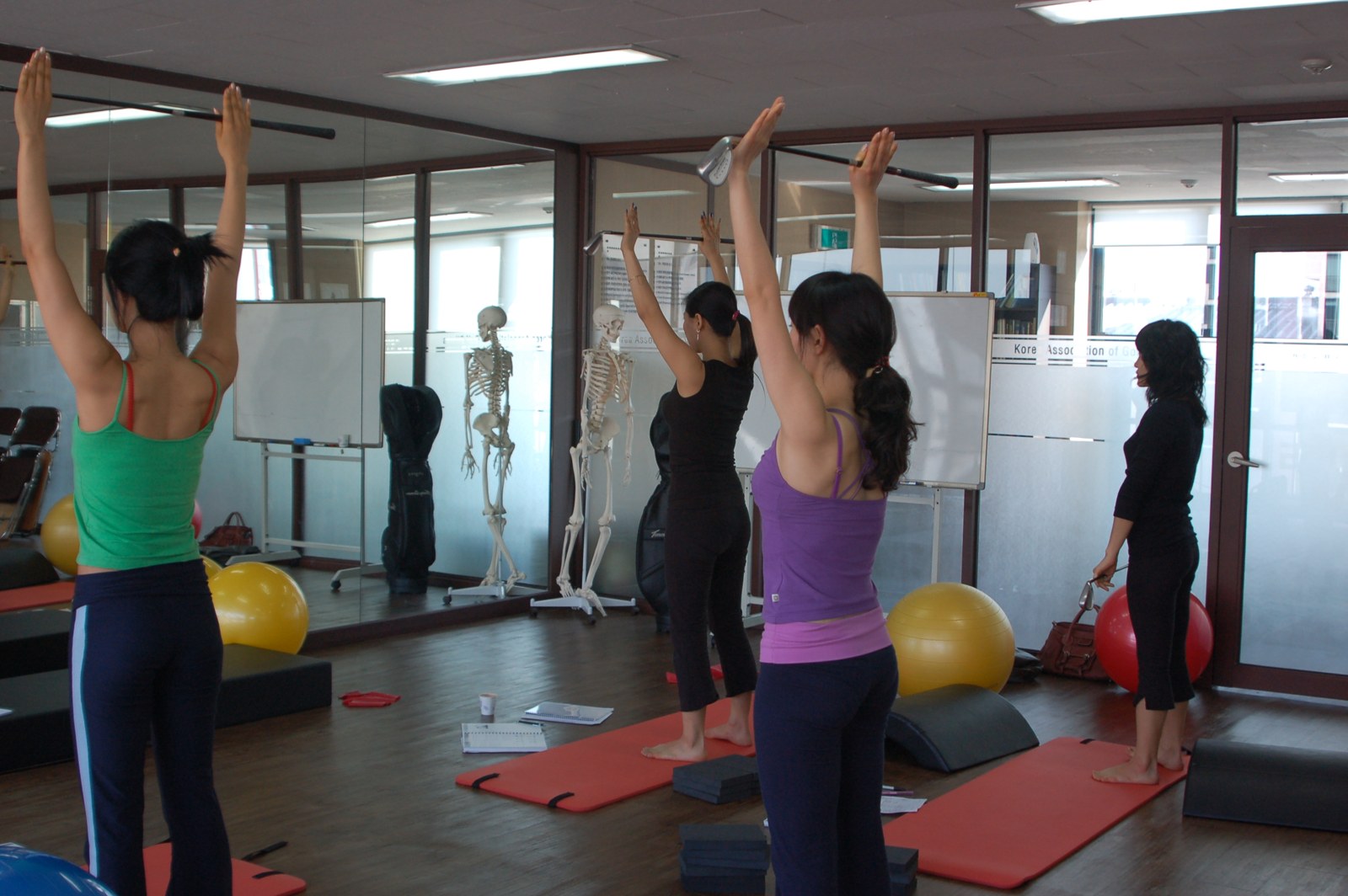 Functional Anatomy
From body to swing
Structure · Mobility · Stability · Power
Explore 8 lectures↗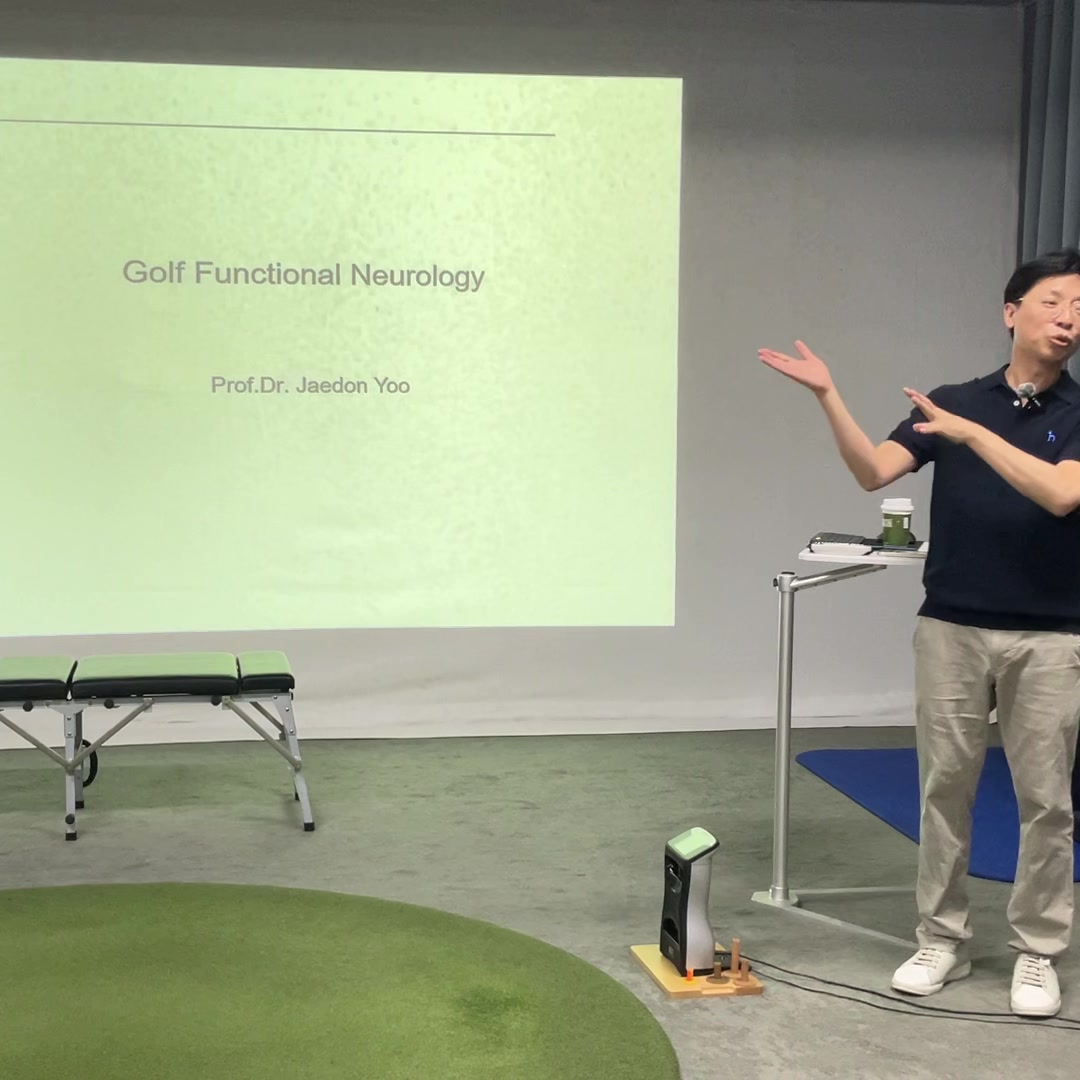 Functional Neurology
From brain to body
Sensation · Integration · Motor Control · Performance
Explore 8 lectures↗Brain. Body. Swing.From brain to body. From body to swing.
THE KNOWLEDGE LIBRARY
Learning starts with a question.
01Why do bodies move differently when learning the same swing?
Lecture 1 · The Body Behind the Swing
Why do bodies move differently when learning the same swing?
Lecture 1 · The Body Behind the Swing
Learn to observe joints, muscles and movement alongside the golf swing.
RELATED SHORTS
Related Shorts · Related content coming soon
2–5 minute explanationRelated content coming soon
ArticleRelated content coming soon
02How does movement from the feet connect to the pelvis?
Lecture 2 · From the Ground to the Pelvis
How does movement from the feet connect to the pelvis?
Lecture 2 · From the Ground to the Pelvis
Explore the foot, ankle, knee and hip, including ground support and weight transfer.
RELATED SHORTS
Related Shorts · Related content coming soon
2–5 minute explanationRelated content coming soon
ArticleRelated content coming soon
03How do the pelvis and lower back share the work?
Lecture 3 · Pelvis and Lumbar Spine
How do the pelvis and lower back share the work?
Lecture 3 · Pelvis and Lumbar Spine
Observe rotation and support, distinguishing mobility from stability.
RELATED SHORTS
Related Shorts · Related content coming soon
2–5 minute explanationRelated content coming soon
ArticleRelated content coming soon
04Where does backswing rotation come from?
Lecture 4 · Thoracic Spine and Rib Cage
Where does backswing rotation come from?
Lecture 4 · Thoracic Spine and Rib Cage
Connect thoracic and rib-cage structure and movement to trunk rotation in golf.
RELATED SHORTS
Related Shorts · Related content coming soon
2–5 minute explanationRelated content coming soon
ArticleRelated content coming soon
05What moves together when you raise your arm?
Lecture 5 · Scapula and Shoulder
What moves together when you raise your arm?
Lecture 5 · Scapula and Shoulder
Observe scapular and shoulder coordination in relation to the trunk.
RELATED SHORTS
Related Shorts · Related content coming soon
2–5 minute explanationRelated content coming soon
ArticleRelated content coming soon
06How do the hands connect with the arms?
Lecture 6 · Elbow, Wrist and Hand
How do the hands connect with the arms?
Lecture 6 · Elbow, Wrist and Hand
Explore forearm rotation, wrist and hand structure, grip and club control.
RELATED SHORTS
Related Shorts · Related content coming soon
2–5 minute explanationRelated content coming soon
ArticleRelated content coming soon
07How is force transferred to the club?
Lecture 7 · Kinetic Chain and Power
How is force transferred to the club?
Lecture 7 · Kinetic Chain and Power
Observe segmental movement and force transfer, including sequence and timing.
RELATED SHORTS
Related Shorts · Related content coming soon
2–5 minute explanationRelated content coming soon
ArticleRelated content coming soon
08How can observations inform practice?
Lecture 8 · From Assessment to Coaching
How can observations inform practice?
Lecture 8 · From Assessment to Coaching
Form a working hypothesis, choose a movement task and review using consistent criteria.
RELATED SHORTS
Related Shorts · Related content coming soon
2–5 minute explanationRelated content coming soon
ArticleRelated content coming soon
Knowledge and practice, connected.
Explore the learning pathway
01
Functional Anatomy
Structure · Joints · Muscles · Mobility · Stability
02
Functional Neurology
Sensation · Balance · Coordination · Motor control · Vision · Vestibular function
03
BrainAlign Assessment
Observations inform the next priorities
04
Golf Performance Program
Individual exercise and reassessment
Lecture → Shorts → Video → Article → Assessment / Program
A deeper understanding of the body. A fresh perspective on your golf.
Golf functional anatomy explores the structures and movement behind the swing. Golf functional neurology explores the sensation and nervous system involved in its control. BrainAlign connects these perspectives in practice.
Brain → Body → SwingSTART A CONVERSATION
Start in your own setting.
Discuss player development for your academy or education for your coaching practice.
Ask about coach education
Share your coaching field, interests and preferred learning format.
BrainAlign is a golf performance and education brand, not a medical institution. Functional assessment, exercise and education are not intended to diagnose or treat disease.